Disability Risk Assessment

Our Disability Access Audits are critical to meet the requirements of the Equality Act 2010, Approved Documentation of the Building Regulations and “Best Practice”. We will ensure that your practice will achieve ‘outstanding’ when the CQC calls. This is because Safety Desk Consulting make use of consultants with many years of experience. 

Disability Access Audits are a useful means of assessing the current state of accessibility and usability of buildings by disabled people. Buildings that have been designed or adapted to meet the access needs of people with different physical or mental impairments are likely to be more flexible and make it easier for employers to fulfill their duties under the Equality Act 2010.

The disability access  assessment will examine disabled access to ensure accessibility and usability of buildings by a wide range of potential users, including people with mobility and sensory disability

The audit will look at:

  • Approaches to the property.

  • Access points into the property.

  • Movement around the premises both horizontally and vertically.

  • Accessibility of amenities such as WCs and welfare facilities.

  • Means of escape including special evacuation strategies.

  • Building management.

What is an Access Audit?

An access audit (formerly referred to as a DDA audit or Disability Access Audit) is the assessment of a building or service and its accessibility to disabled people. The Equality Act 2010 is split into several sections, the section relevant to Access Audits is contained in generally in section 3 which covers the provision of services to members of the public. Our auditing services comprise of a visit to your premises to initiate a detailed inspection of the site and building/s with regard to the needs of members of the public

What is included within an Access Audit Report?

  • An explanation of relevant legislation, as well as detailing your obligations

  • A test of reasonableness as is required for reasonable adjustments

  • A thorough description of the services and facilities present at your premises

  • Descriptions of the barriers to people with a disability that are identified

  • Recommendations made for reasonable adjustments which we consider necessary

  • A summary of works that we suggest, prioritised using our priority keys

What barriers are identified within an Access Audit Report?

  • Physical Barriers

  • Sensory Barriers

  • Intellectual Barriers

What areas are inspected during an Access Audit?

  • Approaches and Car Parks

  • Routes and Entrances

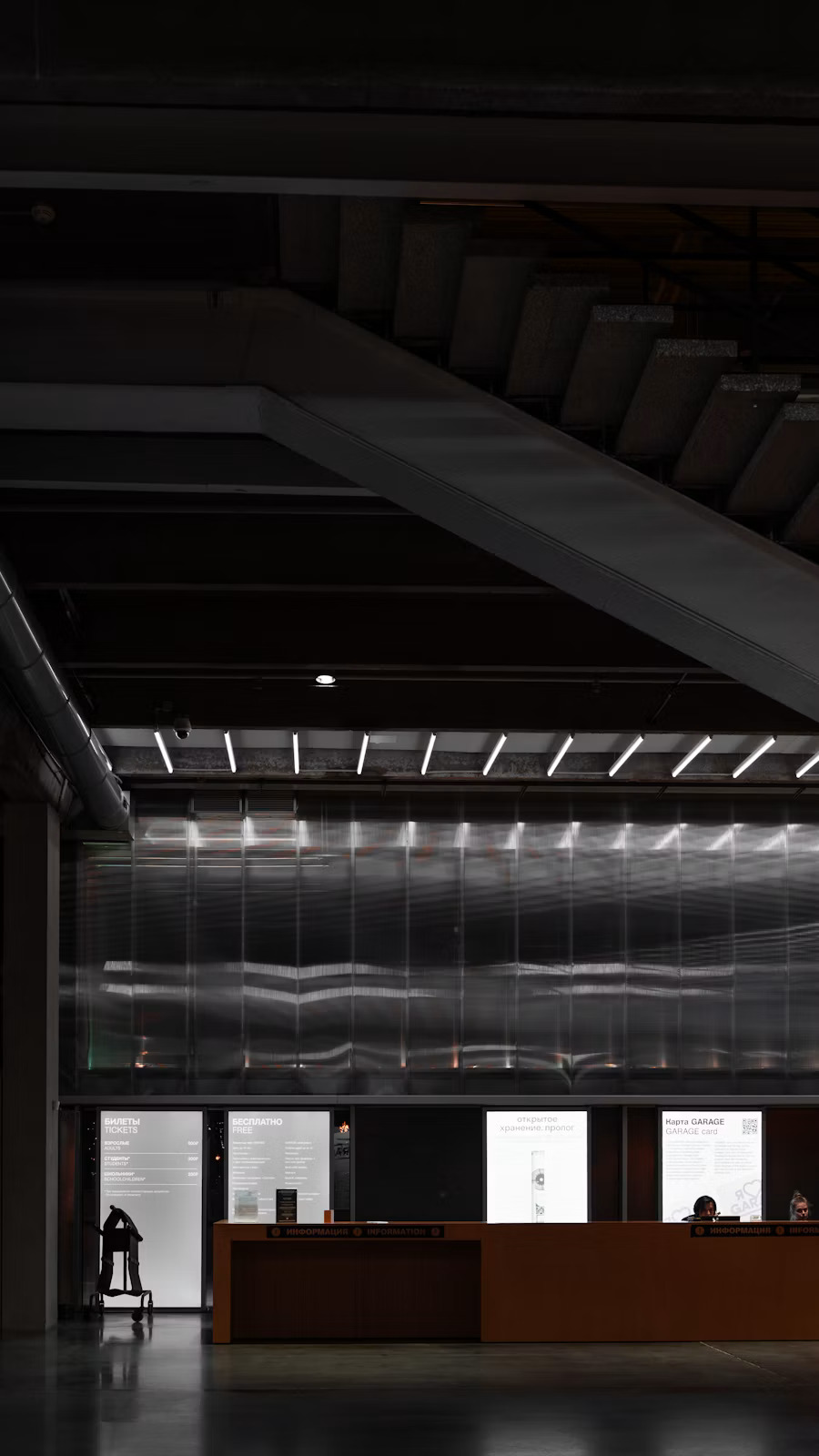
  • Receptions, Counters and Desks

  • Corridors (Horizontal Circulation)

  • Stairs, Ramps & Lifts (Vertical Circulation)

  • Toilet Provision

  • Seating and Waiting Areas

  • Wayfinding, Information and Signage

  • Alarms and Lighting

  • Switches and Controls

Our Access Auditors are always happy for a follow up discussion after issuing your Access Audit Report, should you have any questions or queries in regards to the findings on your report. If you would like to have an access audit carried out or would like to improve the accessibility of your premises, get in touch with our friendly accessibility team today for initial advice or fill in the form below for a FREE, non-obligation service quotation.

Health & Safety Risk Assessment

At Safety Desk Consulting Ltd, we understand the critical importance of creating a safe and healthy work environment for your employees and stakeholders. We are pleased to offer our expert Health and Safety Risk Assessment service, tailored to meet the unique needs of your organization.

Compliance with health and safety regulations is not only a legal obligation but also a moral responsibility. Failure to identify and mitigate potential risks can result in devastating consequences for your company, including accidents, injuries, and financial liabilities. Our dedicated team of experienced professionals is here to help you navigate the complexities of health and safety management.

Our Health and Safety Risk Assessment service is designed to provide you with a comprehensive evaluation of your workplace hazards and the associated risks. We meticulously examine your operations, processes, and equipment to identify potential areas of concern. Our expertise covers a wide range of industries, allowing us to deliver specialized assessments tailored to your specific sector.

Our commitment to continuous improvement means that we don’t just stop at the initial assessment. We provide ongoing support and guidance to help you maintain a proactive approach to health and safety. Regular audits and evaluations enable us to track progress, identify emerging risks, and recommend necessary updates to your safety protocols.

Choosing Safety Desk Consulting Ltd means choosing a reliable partner dedicated to your success. Our reputation for excellence and professionalism is built upon years of experience in the field, serving a diverse range of clients with their health and safety needs.

Don’t leave the well-being of your employees and the reputation of your company to chance. Contact Safety Desk Consulting Ltd today to schedule a consultation and take the first step towards a safer, healthier, and more compliant workplace. Together, we can ensure a secure environment that fosters productivity, employee satisfaction, and long-term success.

Work Place Health and Safety Risk Assessment and Audit

Health and safety risk assessments and audits are important for companies because they ensure compliance with laws and regulations, promote employee well-being and productivity, reduce costs associated with accidents and illnesses, enhance reputation, and trust, and facilitate continuous improvement in health and safety practices.

Businesses like yours have a legal and moral obligation to ensure the health and safety of your employees, and anyone affected by your operations. Conducting risk assessments and audits helps businesses comply with relevant laws, regulations, and industry standards.

A safe and healthy work environment promotes employee well-being, morale, and productivity. By identifying and mitigating potential risks, companies can prevent accidents, injuries, and illnesses, creating a positive work culture and improving employee satisfaction.

Workplace accidents and occupational illnesses can result in significant financial losses for companies. Implementing risk assessments and audits helps identify hazards and take proactive measures to reduce the likelihood of incidents. This can lead to cost savings by preventing workplace injuries, property damage, legal liabilities, and workers’ compensation claims.

Risk assessments and audits provide opportunities for ongoing improvement and refinement of health and safety practices. Regular evaluations allow companies to identify emerging risks, address deficiencies, update procedures, and implement preventive measures, fostering a culture of continuous improvement.

Overall, health and safety risk assessments and audits help companies fulfil their legal obligations, protect employees, reduce costs, enhance reputation, and drive continuous improvement in health and safety management.

Legionella Risk Assessment

At Safety Desk Consulting, we specialize in providing comprehensive Legionella risk assessments tailored to meet the specific needs of our diverse clientele. Our goal is to deliver clear and concise assessments that not only identify potential Legionnaires’ Disease risks but also ensure compliance with ACoP L8 and HSG274 requirements.

Our team of Legionella bacteria risk assessors will visit your premises to thoroughly evaluate your water system, including the examination of your cold water storage tank (if applicable). Following the assessment, we will generate a detailed report that encompasses a schematic drawing of your water system, providing you with a comprehensive overview.

Moreover, Safety Desk Consulting goes above and beyond by equipping you with essential tools to maintain water system safety. We will provide you with a monthly temperature log sheet, a written scheme of control, a legionella management policy etc. These documents will enable you to effortlessly comply with (HTM) 04-01, L8, HSG274, and COSHH guidelines with regards to legionella management.

Rest assured, our water samples are entrusted to the most reputable and renowned laboratories specializing in water bacteria analysis within the United Kingdom. Through their expertise and analysis, we ensure accurate and reliable results.

Put your Legionella risk assessment needs in the hands of Safety Desk Consulting, and benefit from our comprehensive approach to Legionnaires’ Disease prevention and regulatory compliance.

The ACOP L8 indicate that a suitable and sufficient risk assessment is the first step in Legionnaires’ Disease prevention. The objective is to identify all water systems where legionella bacteria could potentially grow and assess the risk of people being exposed to contaminated aerosols from them. All water systems need to be included in the legionella risk assessment where there is potential for aerosol droplets.

Every Legionella Risk Assessment Includes:

Site visit

Full comprehensive in-depth report

Water system schematic

Certification

List of all associated assets

Photos from the risk and remedial actions

Temperature readings

A breakdown of the legionella risk

Guidance on your duties

An informative introduction to Legionella

Monthly water temperature log sheet

Our Bespoke Legionella Services

At Safety Desk Consulting Ltd, we prioritize the health and safety of employees and individuals affected by various undertakings. In line with the Health and Safety at Work Act 1974 and the Approved Code of Practice (ACoP L8, HSG 274), duty holders, including employers and premise controllers, must ensure a safe environment, including mitigating the risk of Legionella.

Our qualified and DBS checked assessors conduct thorough Legionella risk assessments. This includes a comprehensive survey of your premises, addressing factors such as non-WRAS approved fittings, suboptimal conditions in cold water tanks or hot water cylinders, temperature profiling, and accessibility for monitoring and maintenance as required by law.

Additionally, as a Legionella risk assessment company, we offer non-technical Legionella schematic drawing services, aiding in the identification of potential risks for those without existing drawings.

We will provide you with a comprehensive report that outlines any risks within your water systems and suggests actions to comply with the HSE’s HSG 274 guidelines.

To eliminate the risk of Legionella bacteria infection, book a Legionella risk assessment with us today. Your safety is our priority.

Your Legionella Scheme of Control

A Legionella scheme of control aims to prevent or minimize the risk of Legionella bacteria growth and transmission in water systems. Here is a concise outline of the key elements typically included in a Legionella scheme of control:

  1. Risk Assessment: Conduct a thorough assessment of the water systems to identify potential sources of Legionella growth and assess the level of risk.

  2. Water System Monitoring: Establish a monitoring program to regularly measure and record the temperature, disinfectant levels, and other relevant parameters in the water systems.

  3. Water Treatment: Implement appropriate water treatment measures to control Legionella growth, such as disinfection methods (e.g., chlorination, ultraviolet treatment) or thermal control (e.g., maintaining hot water temperatures above 50°C and cold water temperatures below 20°C).

  4. Cleaning and Maintenance: Develop a cleaning and maintenance schedule for water system components, including tanks, pipes, showers, faucets, and cooling towers, to prevent biofilm formation and remove potential reservoirs for Legionella.

  5. Record Keeping: Maintain accurate and up-to-date records of the Legionella risk assessment, monitoring results, water treatment actions, cleaning and maintenance activities, and any remedial actions taken.

  6. Training and Awareness: Provide training to relevant personnel involved in the operation and maintenance of water systems to increase their awareness of Legionella risks, preventive measures, and emergency response procedures.

  7. Remedial Actions: Establish protocols for responding to any identified breaches or incidents, such as elevated Legionella levels, and implement appropriate corrective actions to address the issues promptly.

  8. Communication: Maintain effective communication channels among stakeholders, including building occupants, facility managers, contractors, and relevant authorities, to ensure proper coordination, reporting, and sharing of information related to Legionella control.

  9. Review and Audit: Regularly review and evaluate the effectiveness of the Legionella scheme of control through internal audits and external assessments, and make necessary adjustments or improvements as required.

Remember that this is a concise outline, and a comprehensive Legionella scheme of control will require more detailed planning and implementation based on specific regulations and guidelines applicable to your jurisdiction and the nature of the water systems involved.

Fire Risk Assessment

The responsibility of ensuring that all the necessary steps are taken to protect occupants of a building in the event of fire falls to the business or property owner.

To fulfil these obligations, it’s essential that you have periodic fire risk assessments to identify risks, hazards and threats in the premises and take the required remedial actions to improve fire safety, while complying with the latest regulatory advice.

Safety Desk Consulting provide trained and qualified assessors and our experience within the Fire Service, coupled with a thorough knowledge of fire safety issues and the Regulations, means you will never need to be concerned should the Fire Service visit your premises, because your fire safety arrangements will meet their requirements.

Our comprehensive report and other fire-related documents which meet the national standards will provide you with a cost-effective package. Our annual visit will ensure you are always covered and operating within the law year on year.

We Provide a Full Fire Risk Assessment Service Tailored to Your Business

With us, you’ll get a full assessment of your business’ fire hazards, advice on how to control any identified risks and an overall risk rating. Our team will also create an action plan, so you know what your next steps are to remain fire safe and compliant.

We Have Fully Qualified & Insured Assessors

Our fire risk assessors are fully qualified with a vast knowledge, experience and competency of carrying out fire risk assessments.

Multi-Site Discounts

If your business has multiple sites, we are able to negotiate and provide a suitable discount and price that is competitive for the client that covers all sites/locations.

Efficient & Friendly Service

Safety Desk Consulting pride ourselves on our ability to provide a consistently high level of customer service to our clients.

Fire and Legionella Risk Assessment – One Stop Service

Our assessors are trained to provide both legionella and fire risk assessment which means that you will not be dealing with different assessors. This will save you time and the problem of having to deal with multiple companies in other to solve your compliance needs.

We do the following to ensure your compliance:

Identify the hazards: Begin by conducting a thorough assessment of your premises to identify potential fire hazards. This may include flammable materials, electrical equipment, heat sources, ignition sources, storage arrangements, and any other factors that could contribute to a fire.

Identify people at risk: Determine the individuals who may be at risk in the event of a fire. This includes employees, visitors, customers, and anyone else who could be present on your premises. Consider their location, mobility, and any specific needs they may have.

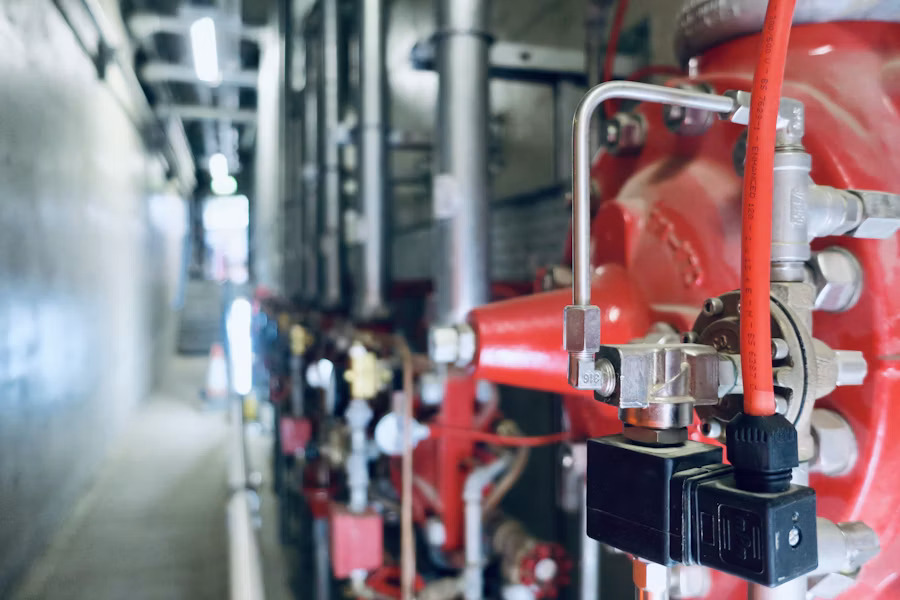
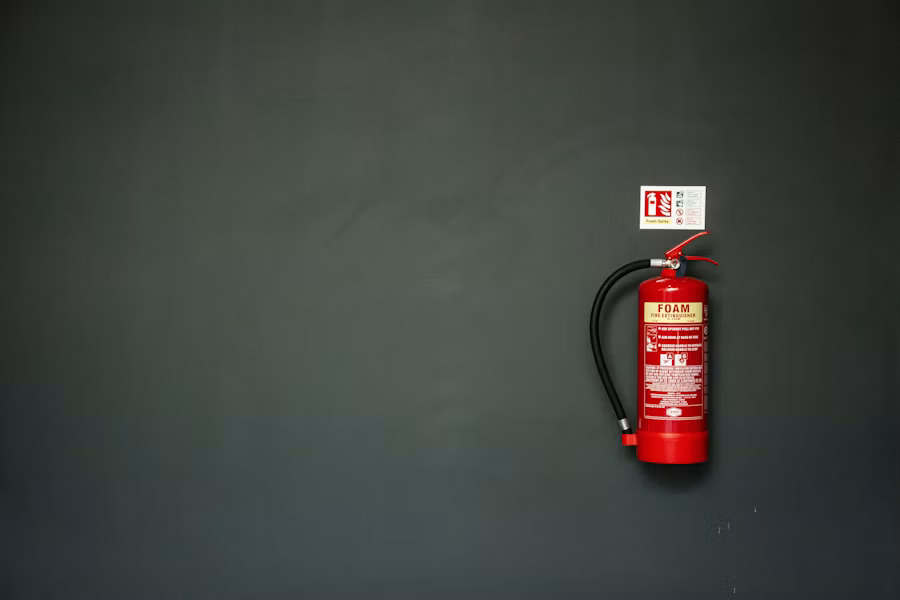
Evaluate the existing fire safety measures: Review the current fire safety measures in place, such as fire alarms, emergency lighting, fire extinguishers, sprinkler systems, escape routes, and signage. Assess their effectiveness and ensure they comply with relevant regulations and standards.

Assess the likelihood and severity of potential fire scenarios: Consider different fire scenarios that could occur based on the identified hazards and potential ignition sources. Evaluate the likelihood of these scenarios happening and assess the potential severity of their consequences.

Evaluate fire safety management procedures: Review your existing fire safety management procedures, including fire drills, staff training, maintenance schedules, and record-keeping. Ensure that these procedures are up to date, effective, and followed consistently.

Record findings and implement control measures: Document your findings from the risk assessment process, including identified hazards, people at risk, and areas that require improvement. Develop and implement control measures to mitigate the identified risks, such as removing or minimizing hazards, improving fire safety systems, and providing additional training.

Review and update regularly: Fire risk assessments should be reviewed periodically or whenever significant changes occur, such as modifications to the premises, changes in staff, or updates in regulations. Regularly update and improve your fire risk assessment to ensure its ongoing effectiveness.

Note: We consult local fire safety regulations, guidelines, and experts to ensure compliance with specific requirements in your jurisdiction

Our fire safety folder typically contains important documents and information related to fire safety procedures and protocols within a specific building or organization. Here are some common documents that are typically included in a fire safety folder:

  1. Fire Risk Assessment: This document evaluates the potential fire hazards and risks within the premises and outlines the necessary preventive measures and controls.

  2. Emergency Action Plan: A detailed plan that outlines the procedures to be followed in the event of a fire, including evacuation routes, assembly points, and roles and responsibilities of staff members during an emergency.

  3. Fire Safety Policy: A document that clearly defines the organization’s commitment to fire safety and sets out the guidelines and expectations for staff members and occupants.

  4. Fire Safety Logbook: A record of fire safety-related activities and maintenance, including regular inspections, testing of fire alarms, emergency lighting, fire extinguishers, and any repairs or maintenance performed.

  5. Fire Drill Records: Documentation of regular fire drills conducted on the premises, including dates, attendance, observations, and any improvements or corrective actions identified.

  6. Training Records: Records of fire safety training provided to employees, including dates, topics covered, and attendees.

  7. Fire Safety Equipment Inventory: A comprehensive list of fire safety equipment installed on the premises, such as fire extinguishers, fire alarms, emergency lighting, sprinkler systems, and their maintenance and testing schedules.

  8. Building Plans and Evacuation Maps: Architectural plans and diagrams of the building, including evacuation routes, emergency exits, and assembly points, to aid in the understanding of fire safety procedures.

  9. Contact Information: A list of emergency contacts, including the local fire department, building management, and key personnel responsible for fire safety.

  10. Fire Incident Reports: Documentation of any past fire incidents, including their causes, actions taken, and lessons learned to improve fire safety measures.